Reablement
£20.00 Excl. VATReablement is a free service that helps people learn or re-learn the skills necessary for daily living.
Upon successful completion of this Reablement course you will know what reablement is and the benefits of reablement.


Showing 181–200 of 225 results
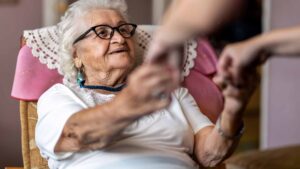
Reablement is a free service that helps people learn or re-learn the skills necessary for daily living.
Upon successful completion of this Reablement course you will know what reablement is and the benefits of reablement.

We need resilience in order to persevere and succeed in life, regardless of what it is we are aiming for.

Everyone should be healthy and safe in their workplace, regardless of the nature of their role.
An important part of maintaining this health and safety is the assessing of potential risks.
By taking this course, you’ll learn about the importance of doing risk assessments, how to identify hazards and risks in any workplace, and the five steps to conducting a risk assessment.
You will automatically get a course certificate on course completion – with your name, the CPD hours, the date and learning objectives.

How to ensure your sourcing event is both efficient and effective.

Learn the basics of what safeguarding means, types of abuse, and how to report concerns.

This Safeguarding Adults Level 2 course helps you recognise, respond to, and report concerns about adults at risk.
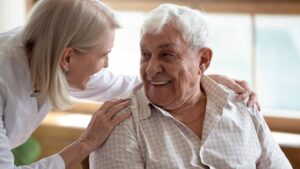
This combined Safeguarding Adults Level 1 & 2 course provides a complete introduction and deeper understanding of adult safeguarding.

Get a grip of the basic principles of safeguarding for adults with this short course aimed at health and social care professionals.
If you’re working in elderly protective services or just need a grounding in safeguarding adults procedures, this course will help you understand how to recognise and prevent abuse of vulnerable adults in a health or social care setting.

Some of the topics we cover in this course are types of abuse that an adult might face, how to respond to a concern, safeguarding duties and when it is OK to share information.

We explore radicalisation and how it connects with extremism and terrorism, including how the internet can influence and indoctrinate vulnerable people. We explore the Government’s increased powers, and who they affect.

Abuse can take place in any setting and it often goes unnoticed and unreported. Even if you don’t work directly with children or vulnerable adults, you might still be in a position where you can help prevent or stop abuse.

Would you be able to spot abuse of a child or vulnerable adult? Even if you don’t work directly with children or vulnerable adults, you may be in a position where you can help prevent or stop abuse.
If you work in Higher Education and want a good understanding of safeguarding in a HE setting, this short course is ideal.

If you work in any public-facing role in a healthcare environment, it’s vital that you know how to spot the warning signs of abuse and neglect, particularly in children.
Based on content from the 2006 Safeguarding Children and Young People: roles and competences for healthcare Staff Directive, this course help you spot the signs of child mistreatment and neglect and enable to you be sure you’re raising concerns appropriately.

Do you work with children? Are you confident you can make safeguarding referrals for the children in your care? Do you need to brush up your child protection legislation knowledge?
This Safeguarding Children Level 1 and 2 course will give you a thorough and clear overview of modern child protection principles – a must-have for anyone working with young people.

If you work in a healthcare setting then it’s important to have a good awareness of child safety and safeguarding procedures. This engaging and informative child safety training course provides an ideal introduction.
Not only does it meet the national minimum training standards for Safeguarding Children at Level 1, it’s the perfect refresher for more experienced staff seeking prevention and management of child abuse online training.

If you’re working with children in any capacity, you need to ensure your safeguarding training is up to date.
This course helps you identify the needs for safeguarding, what you should be looking out for to identify abuse and the next steps you can take if you have a concern for a child’s wellbeing.

When a child talks about issues that raise safeguarding concerns the person they speak to must know how to respond. This course gives the learner information about how and whether to question a child in this situation.

Prepare yourself for making safeguarding referrals (to the police and Children’s Social Care). Looking to brush up your knowledge?
New to the topic and looking for a clear and thorough briefing – in case you are ever involved?
Either way, this course is for you.

Every child has a basic human right to live free from abuse and harm.
But sadly, lots of children suffer without a voice.
It’s your responsibility to make sure you understand what your roles and responsibilities are when safeguarding children.

Spend time or work with disabled children? Perhaps you’re a sole carer for a disabled child?
Shocking as it is, these vulnerable youngsters can be unsuspecting targets for abuse.
This highly engaging e-learning seminar highlights what to look out for and how to put a stop to any unwanted behaviour towards a child.
End of content
End of content
Let us know what course you’re interested in and we’ll get in touch if it’s released!
We use cookies to ensure the best experience on our website. Find out more on our privacy and cookie policy.